Qinghai features extensive no-man’s-land and alpine desert. Thanks to years of rigorous conservation, populations of rare species including snow leopards, Eurasian lynx, Pallas’s cats, Tibetan antelopes, wild yaks, goitered gazelles and the globally unique Przewalski’s gazelles have increased substantially. It serves as a core habitat for a great variety of alpine wild animals and ranks among the world’s top destinations with the highest success rate for wildlife watching and photography. Benefiting from China’s well-developed road network, core animal habitats are mostly accessible via vehicle safari, eliminating the need for strenuous long-distance high-altitude hiking.
Wildlife Viewing Zones in Qinghai
Dulan Area
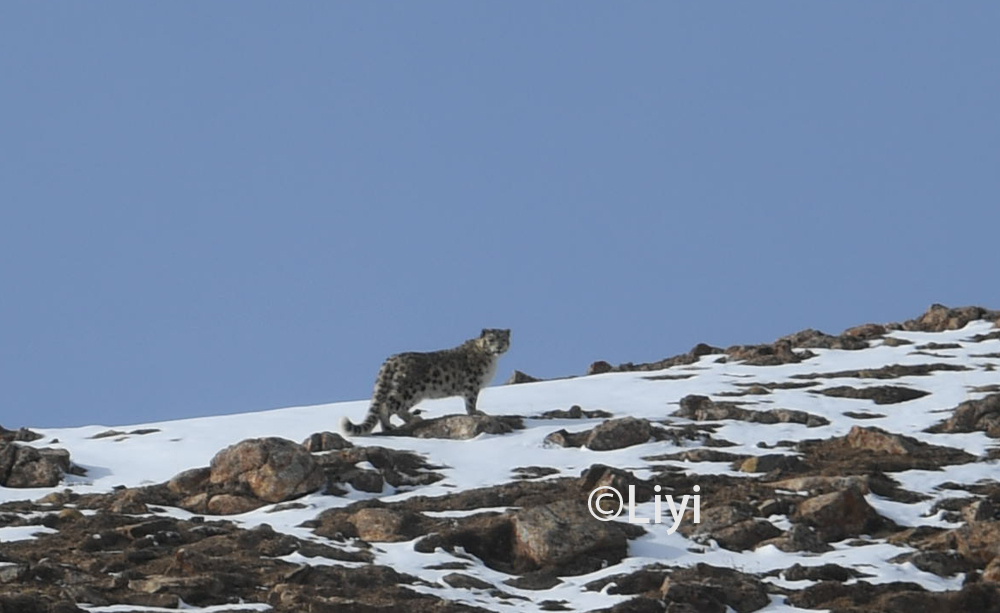
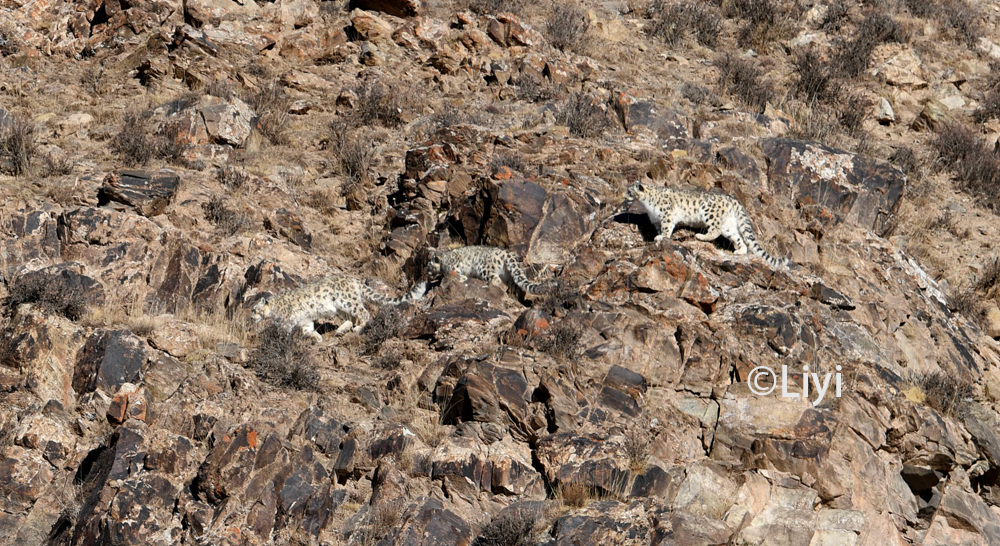
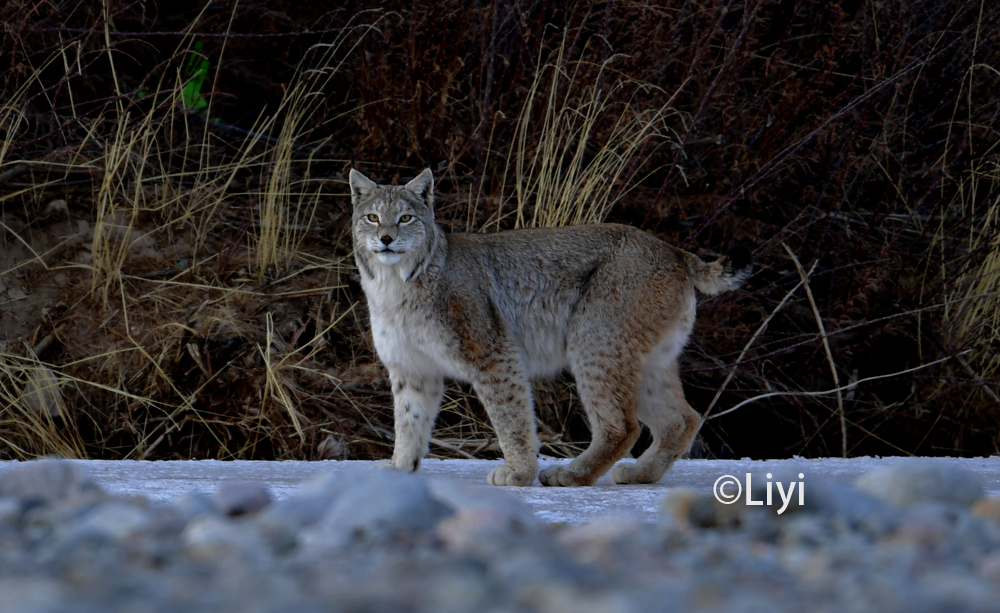
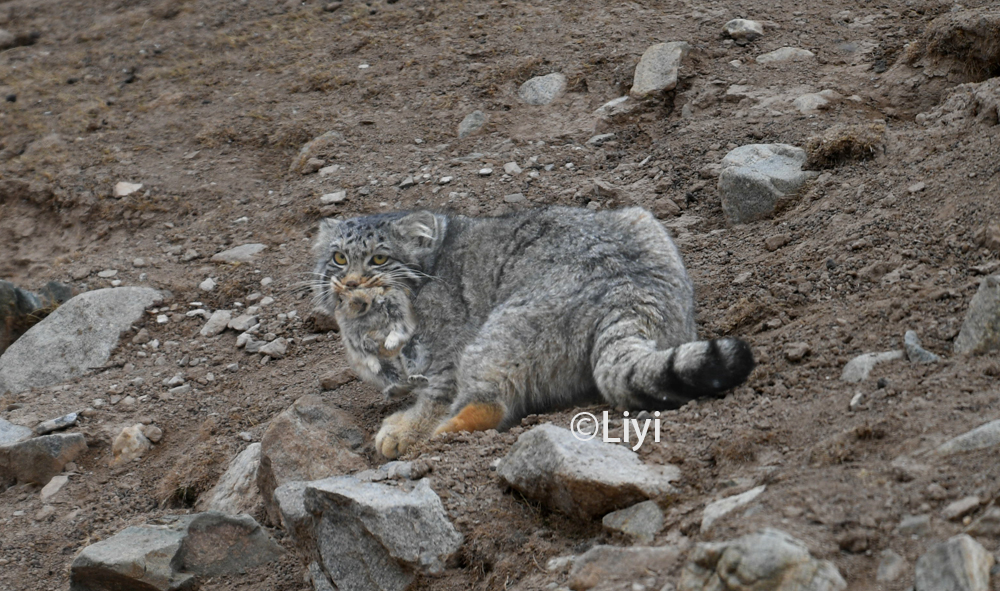
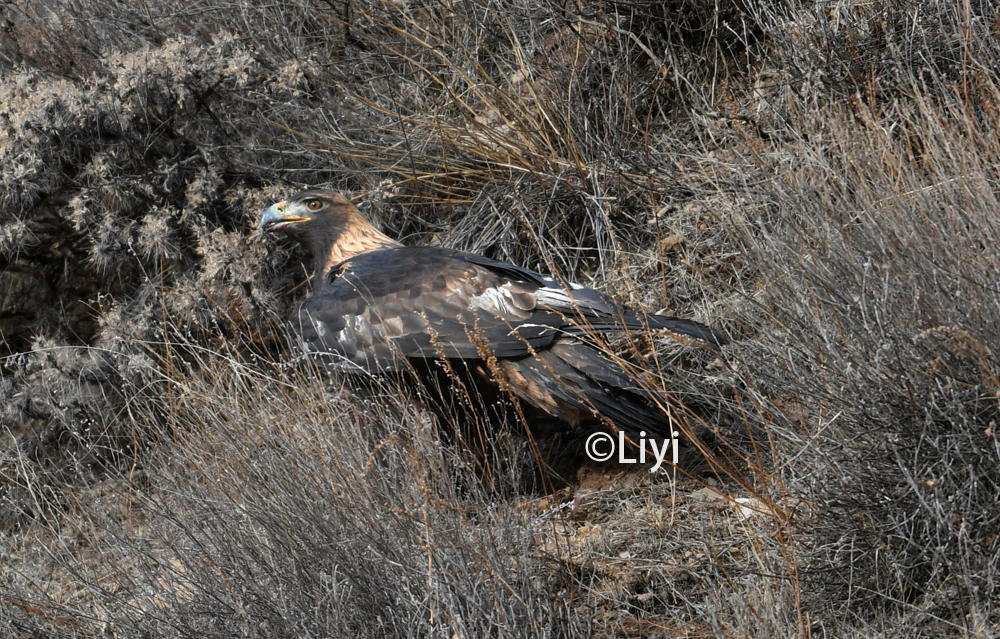
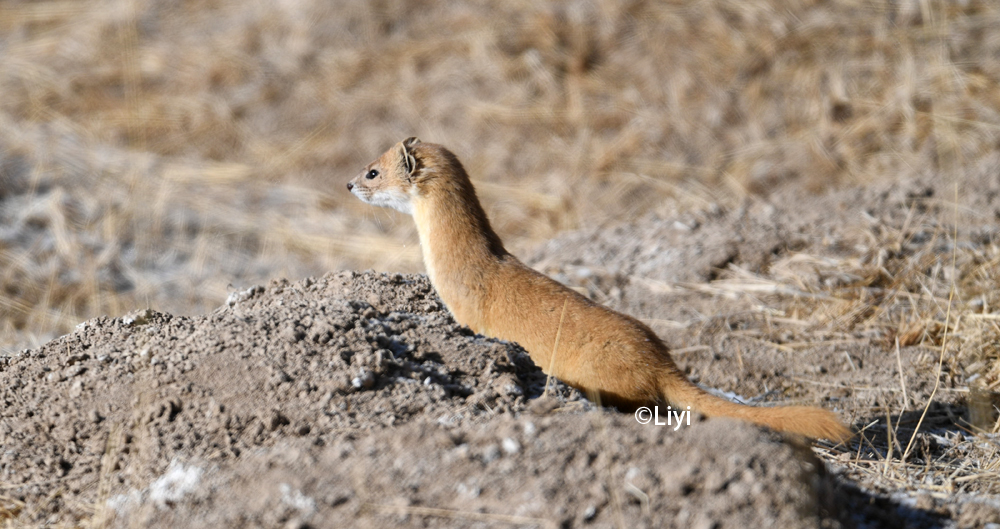
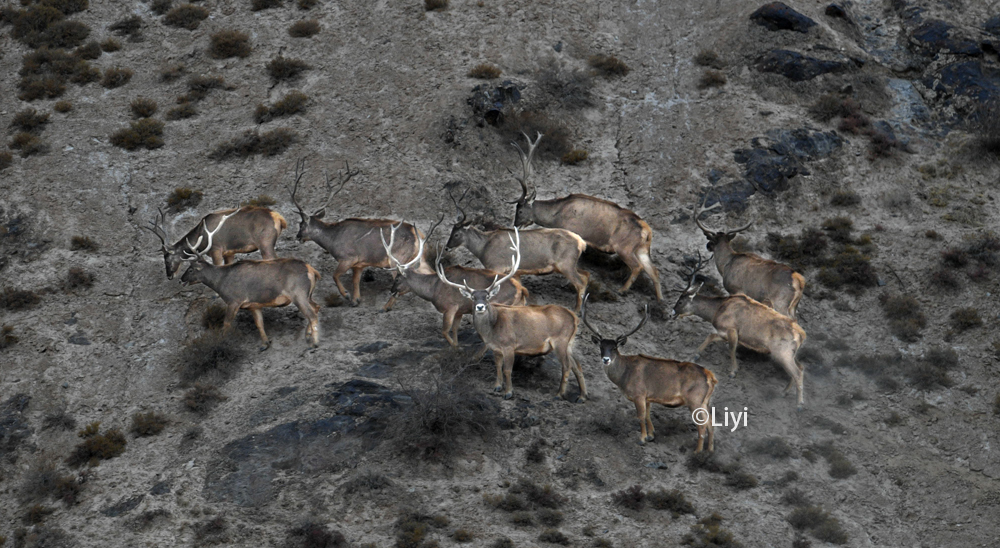
China holds around 60% of the world’s snow leopard population and over 60% of its habitats, with Qinghai being one of the country’s primary snow leopard strongholds and a global core zone for snow leopard conservation. Rocky mountain slopes and streamside shrublands across Dulan support frequent sightings of rare felids such as snow leopards, lynx and Pallas’s cats. The area is also home to large raptors including golden eagles, Eurasian eagle-owls and saker falcons, alongside white-lipped deer, Red deer and mountain weasels. Snow leopard spotting success here stands at approximately 60%, with excellent odds of encountering lynx and Pallas’s cats as well.
Hoh Xil Region
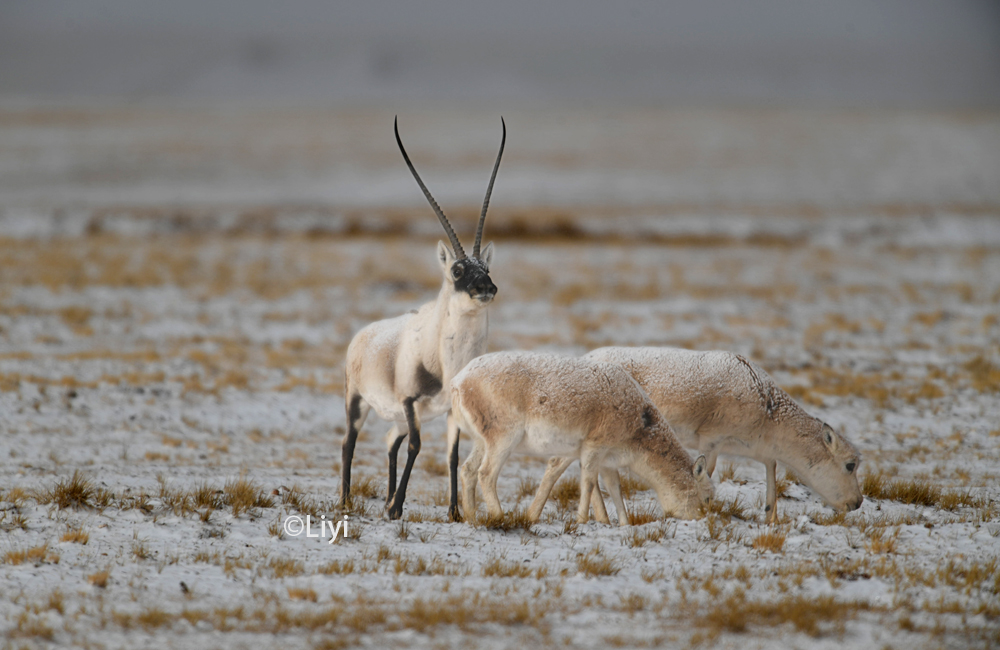
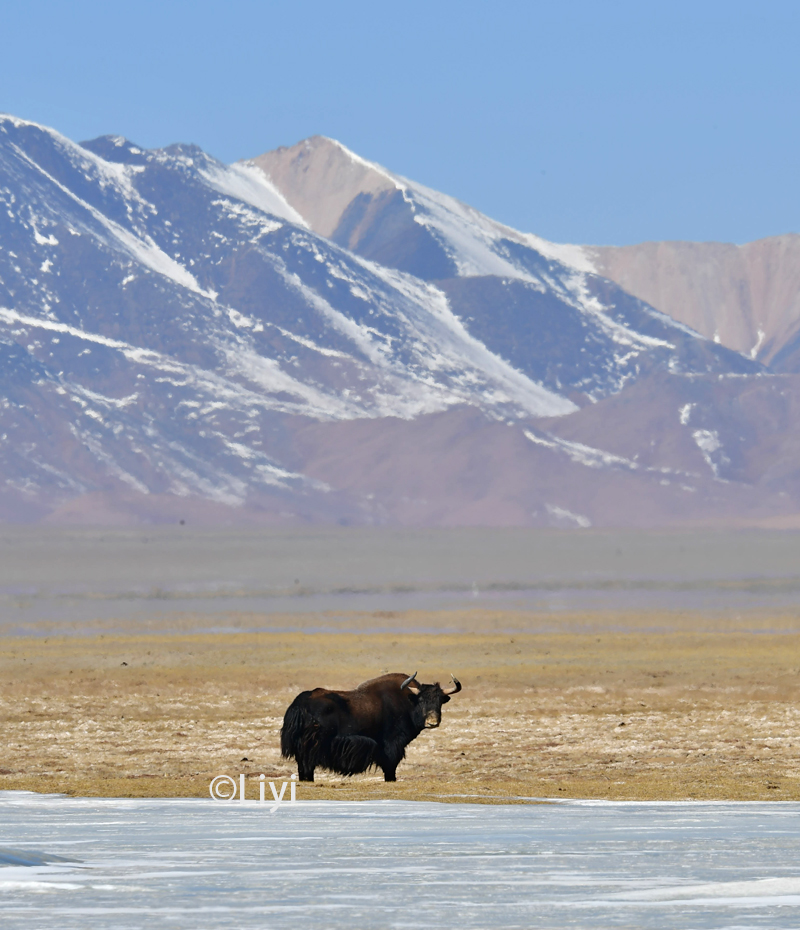
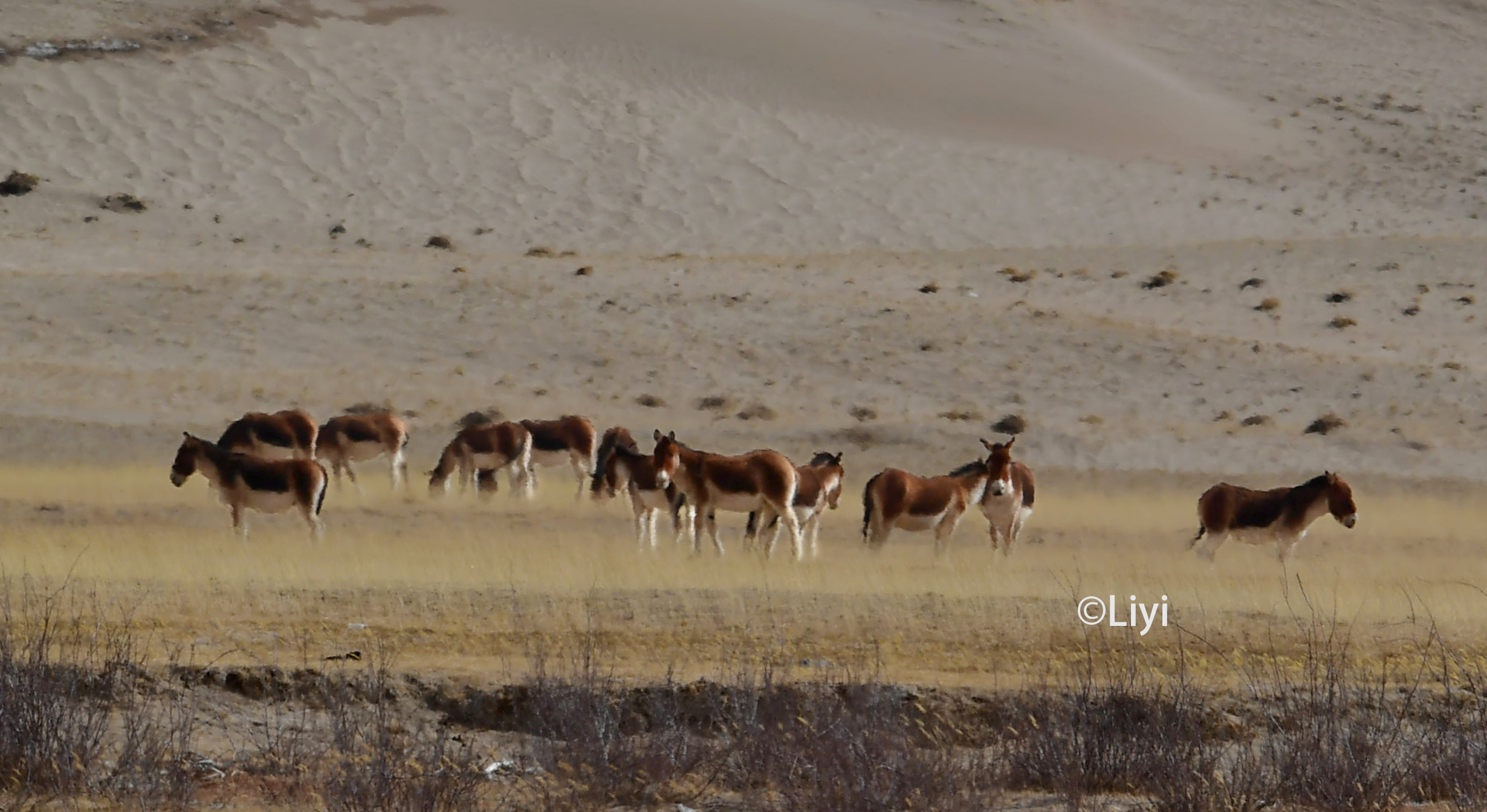
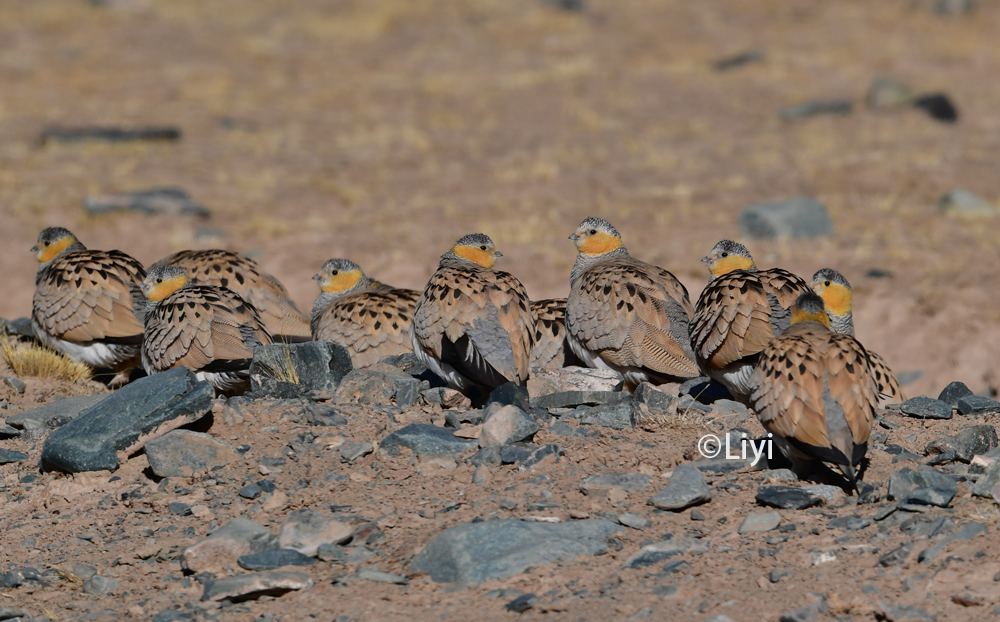
China’s largest no-man’s-land is known as a paradise for alpine wildlife. Herds of flagship species like Tibetan antelope, wild yak and kiang roam freely across the wilderness, together with grey wolves and Tibetan gazelles. Flocks of Tibetan sandgrouse and endemic Przevalski’s partridge are regularly spotted across the desert terrain.
Qaidam Basin
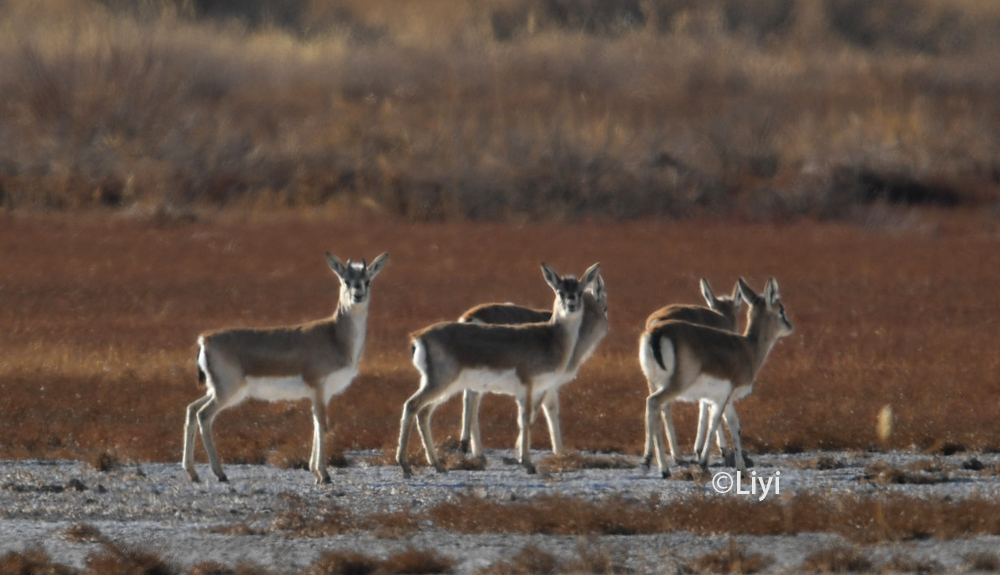
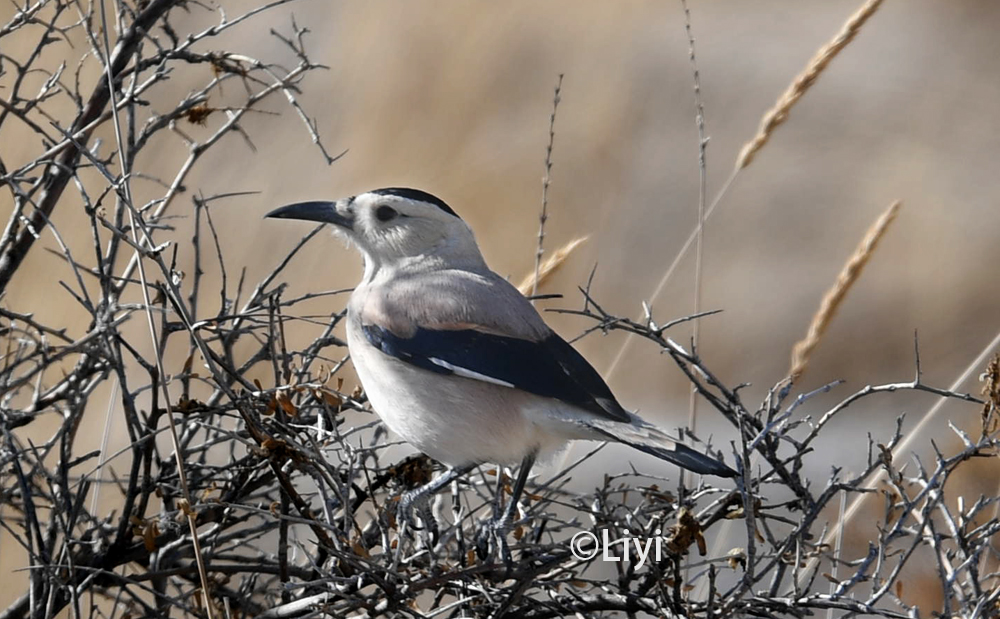
The Qaidam Basin and surrounding ranges host Goitered Gazelle, a flagship desert species whose major Chinese populations reside on the Northwest Plateau. The open, undisturbed Gobi terrain allows easy observation with high sighting rates for this gazelle. Black-tailed Ground Jays, adapted to high-altitude semi-desert environments, also inhabit this region.
Around Qinghai Lake
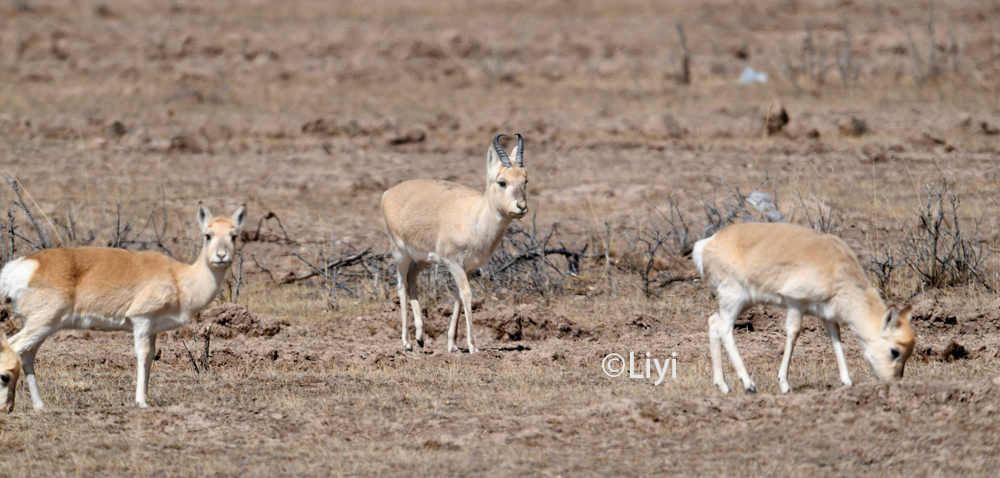
Przewalski’s gazelle is a China-endemic, critically endangered Class-I state protected species found nowhere else on Earth except the northern grasslands surrounding Qinghai Lake. Once down to fewer than 300 individuals, its population has steadily recovered to over 3,700 at present.
Itinerary Options
Standard Itinerary
7 full days focused on snow leopard tracking.
Day1 Xining to Dulan
Day2-6 Repeated daily field excursions around Dulan targeting snow leopards, Pallas’s cats and lynx
Day7 Return from Dulan to Xining. Przewalski’s gazelle viewing can be arranged either on Day 1 or the final day depending on your flight schedule.
Extended Itinerary (10 days)
Day1 Xining to Dulan; Przewalski’s gazelle watching en route
Day2-7 Daily wilderness drives near Dulan to search for snow leopards, Pallas’s cats and lynx
Day7 Dulan to Golmud; spot Goitered Gazelle and black-tailed ground jay along the way
Day8 Day trip from Golmud to Hoh Xil for Tibetan antelope watching; overnight back in Golmud
Day9 Excursion from Golmud to Wild Yak Valley to look for wild yak, kiang, Tibetan gazelle and Tibetan sandgrouse; overnight in Golmud
Day10 Return to Xining from Golmud via train or a 9-hour overland drive (your choice of transport)
Custom private tailor-made trips are available on request.
Price per Day by Group Size
| Group Size | Rate per day |
| 1 | 4200yuan |
| 2 | 4500yuan |
| 3 | 9300yuan |
| 4 | 9500yuan |
| 5 | 10200yuan |
| 6+ | Quotation upon request |
Rate include:
- Professional binoculars
- 4X4 Jeeps as some part road conditon is poor
- All meals and hotel accommodation on twin-sharing basis (two guests per room). Please inform us if single room is required at extra cost.
Tips
- The best safari season is from November to April of the following year, as heavy winter snow covers mountain peaks, forcing blue sheep to migrate down to lower-altitude valleys and greatly boosting our chances of spotting snow leopards.
- Our safari areas are mostly 4,000–4,500m above sea level with onboard oxygen machines available. Consult your doctor prior to travel if you plan to use Acetazolamide for altitude prevention. Overnight accommodation: Xiangride (~2950m) and Golmud City (~2800m).
- We select prime wildlife habitats and try our utmost for animal sightings, but sighting all wildlife cannot be guaranteed due to natural factors.